
Why Quality Inspection Tracking is Critical
Quality inspections are the last line of defense between the production floor and the customer. Without systematic tracking, defects slip through, rejection rates remain high, and rework costs erode profitability. Worse, when defective products reach customers, the damage to reputation and relationships can be severe.
For manufacturing SMEs operating on tight margins, quality failures are particularly costly. A single batch rejection can wipe out the profit from an entire production run. Digital quality tracking transforms inspection from a reactive, paper-based process into a proactive, data-driven system.
Manufacturers using digital quality tracking reduce rejection rates by up to 41% and cut rework costs by 33% within the first six months.
The Problem with Manual Quality Inspections
Inspection results recorded on paper are difficult to compile and analyze
Defect data is unavailable until end-of-shift report consolidation
No real-time alerts when rejection rates exceed acceptable thresholds
Identifying recurring defect patterns requires manual analysis of paper records
Inspector sign-off and traceability difficult to maintain without digital records
How to Build an Effective Digital Inspection System
01
Define Inspection Checkpoints by Process Stage
Quality inspections should occur at defined checkpoints throughout the production process — not just at final inspection. In-process inspection catches defects early, before they are compounded by downstream operations. Define specific inspection criteria for each stage and capture results digitally at the point of inspection.
02
Record Defects with Category Classification
Every defect should be recorded with a category — dimensional, surface finish, assembly error, material defect, etc. Categorized defect data enables analysis of failure modes. When a specific defect type trends upward, root cause investigation can be launched before the problem becomes systemic.
03
Track Accepted, Rejected, and Rework Quantities Separately
Production quality tracking must distinguish between accepted output, rejected parts, and rework quantities. This three-way classification gives managers an accurate picture of true production output and the real cost of rework compared to planned output.
04
Enable Real-Time Quality Alerts
Set threshold alerts that trigger automatically when rejection rates exceed acceptable limits. Real-time alerts notify supervisors and quality managers immediately — enabling investigation and correction before an entire batch is affected.
05
Maintain Inspector Identity and Traceability
Every inspection record should capture the inspector identity, timestamp, batch number, and relevant production details. Complete traceability ensures accountability and enables recall management should quality issues be identified after dispatch.
Key Quality Metrics Manufacturers Should Track
FPY
First Pass Yield
Percentage of parts passing inspection without rework on the first attempt.
DPM
Defects Per Million
Industry-standard measure of defect frequency in high-volume production.
RWR
Rework Rate
Percentage of production requiring rework before final acceptance.
COQ
Cost of Quality
Total cost of defect prevention, inspection, and failure correction.
How Micraft MES Handles Quality Tracking
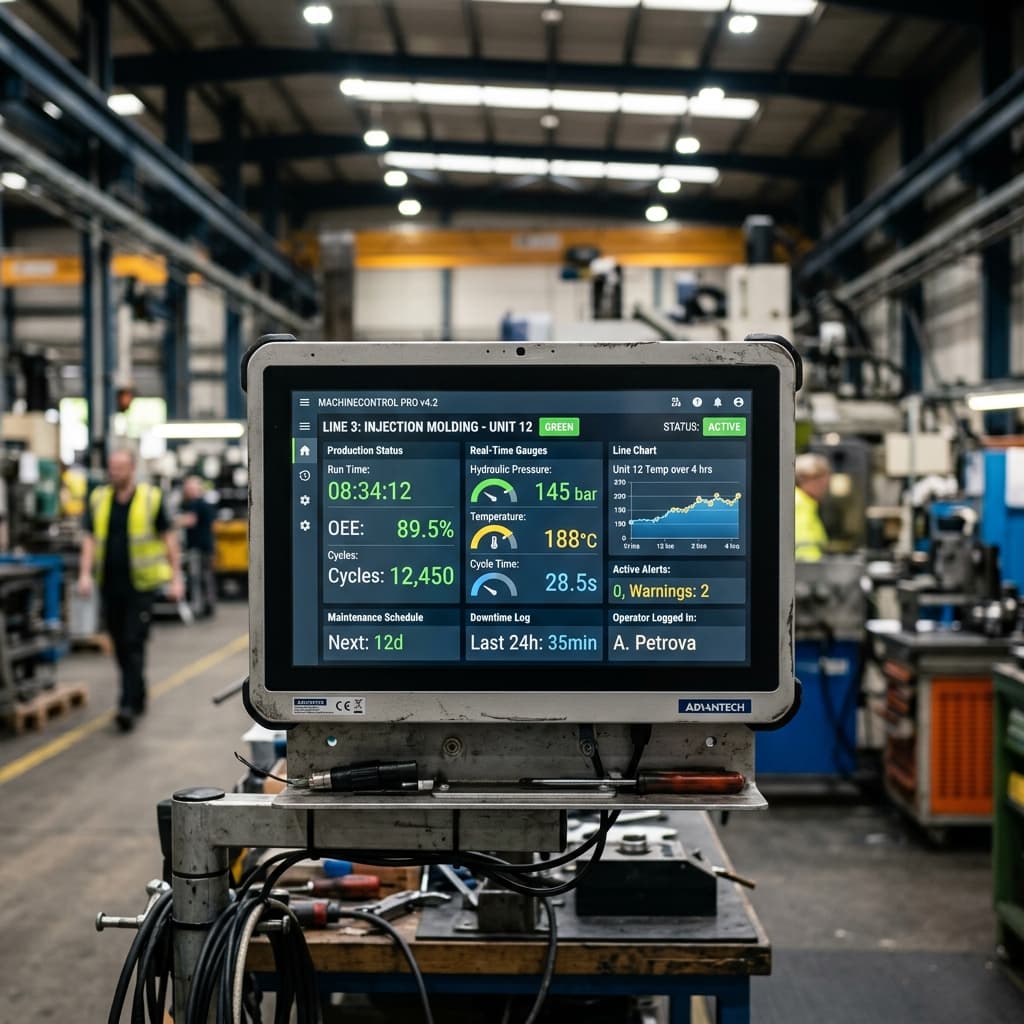
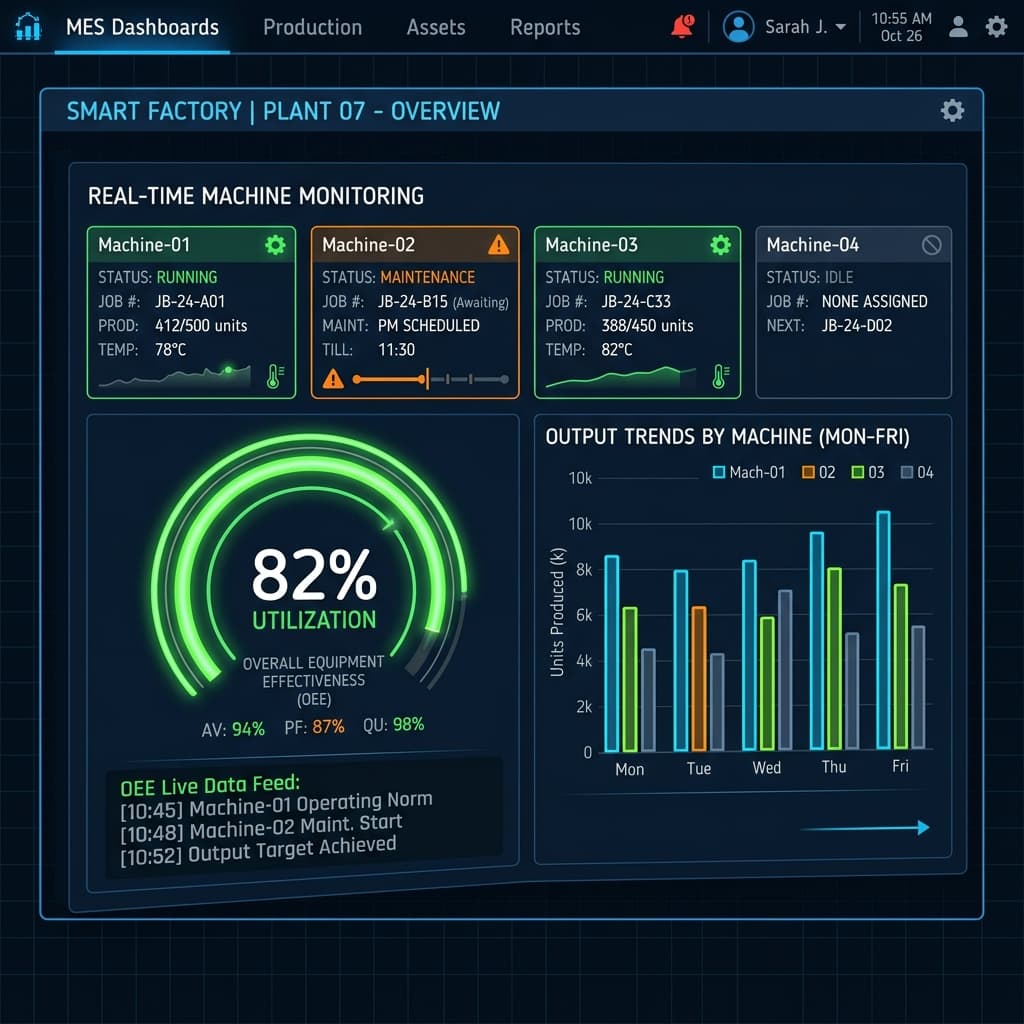
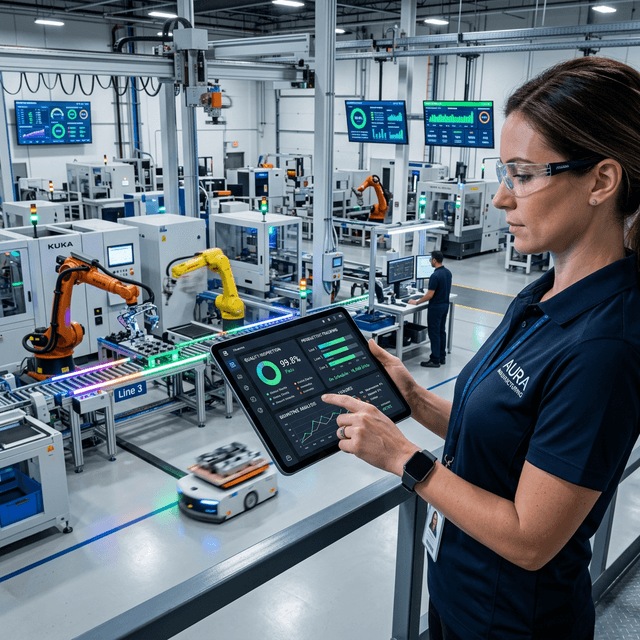
Micraft MES integrates quality inspection tracking directly into the production workflow. Inspectors record results digitally at each checkpoint — accepted, rejected, and rework quantities are captured in real time. Quality dashboards give managers instant visibility into rejection trends, defect categories, and inspection status across all active jobs. Automated alerts trigger when thresholds are breached, ensuring quality issues are never discovered too late.