

Why Manufacturing Productivity Matters
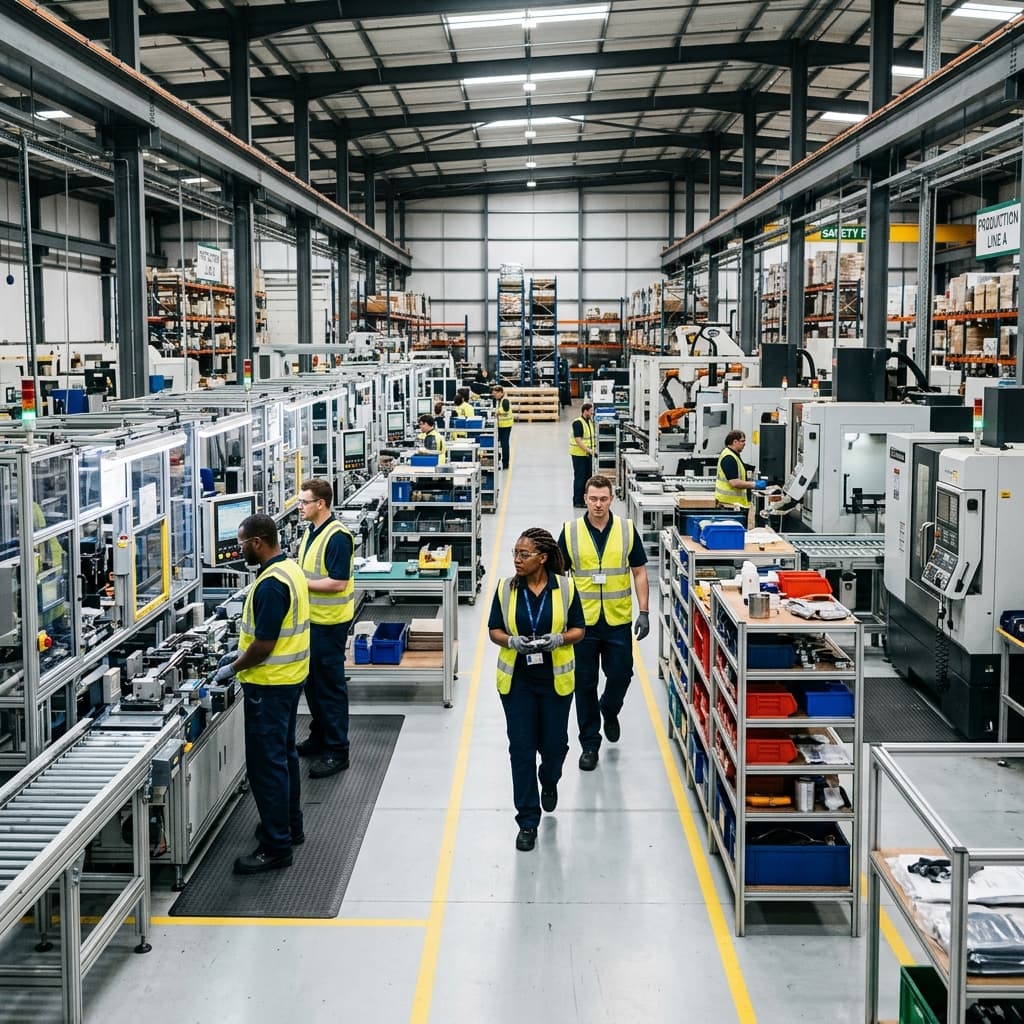
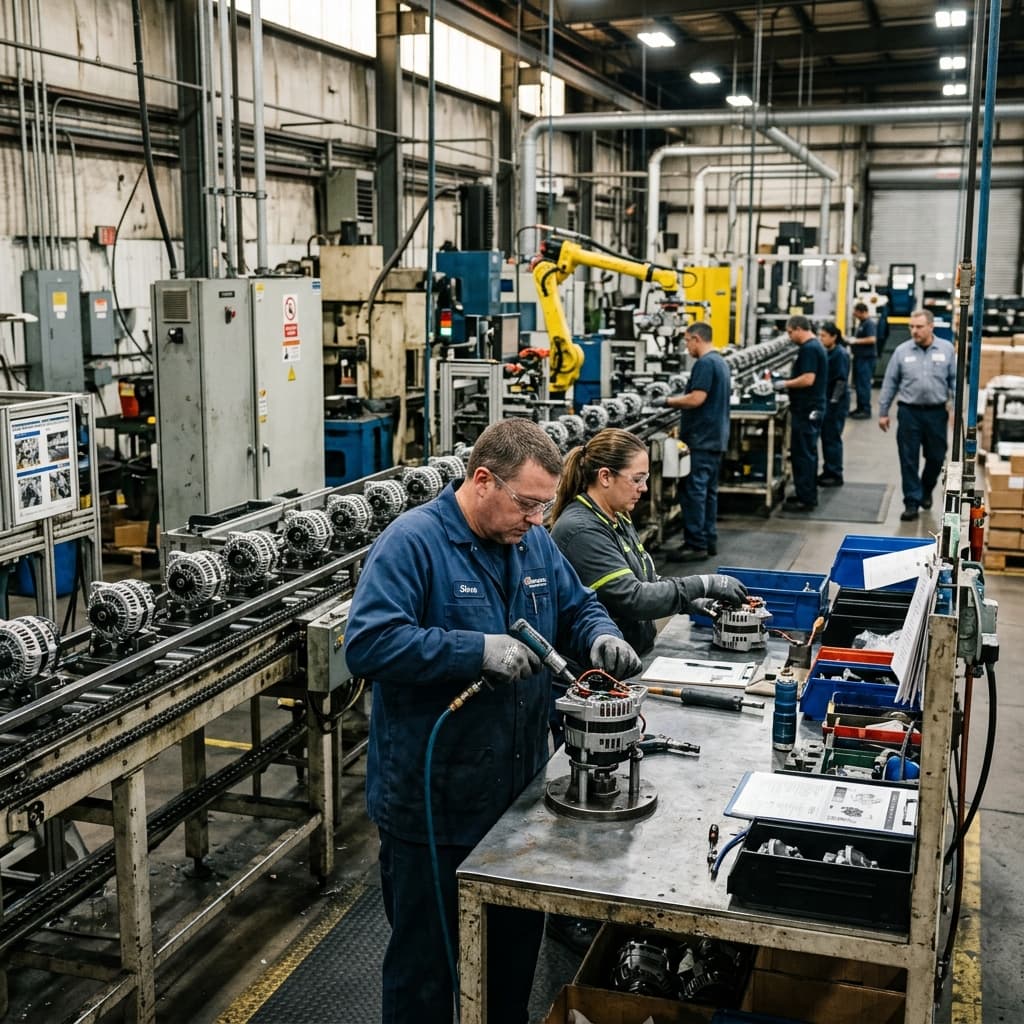
Manufacturing productivity determines how efficiently a factory converts inputs — machines, labor, materials, and time — into finished goods. A productive factory produces more output with less waste, lower cost, and fewer delays. In today's competitive market, SMEs must continuously improve productivity to remain viable.
The good news: most factories have significant untapped productivity potential. The right combination of operational improvements and digital tools can deliver measurable gains quickly — without major capital investment.
Manufacturers who digitize production tracking see an average 23% improvement in overall productivity within the first year.
7 Proven Ways to Improve Manufacturing Productivity
01
Gain Real-Time Production Visibility
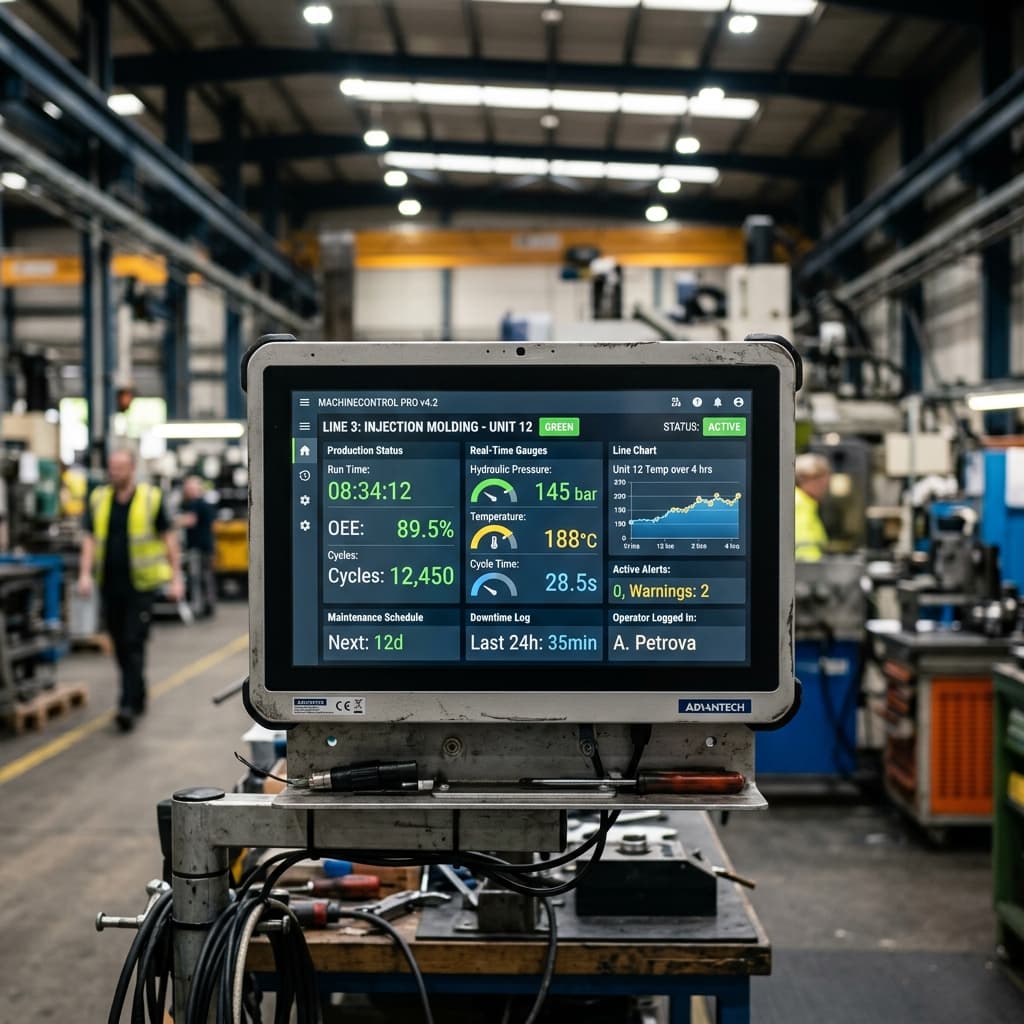
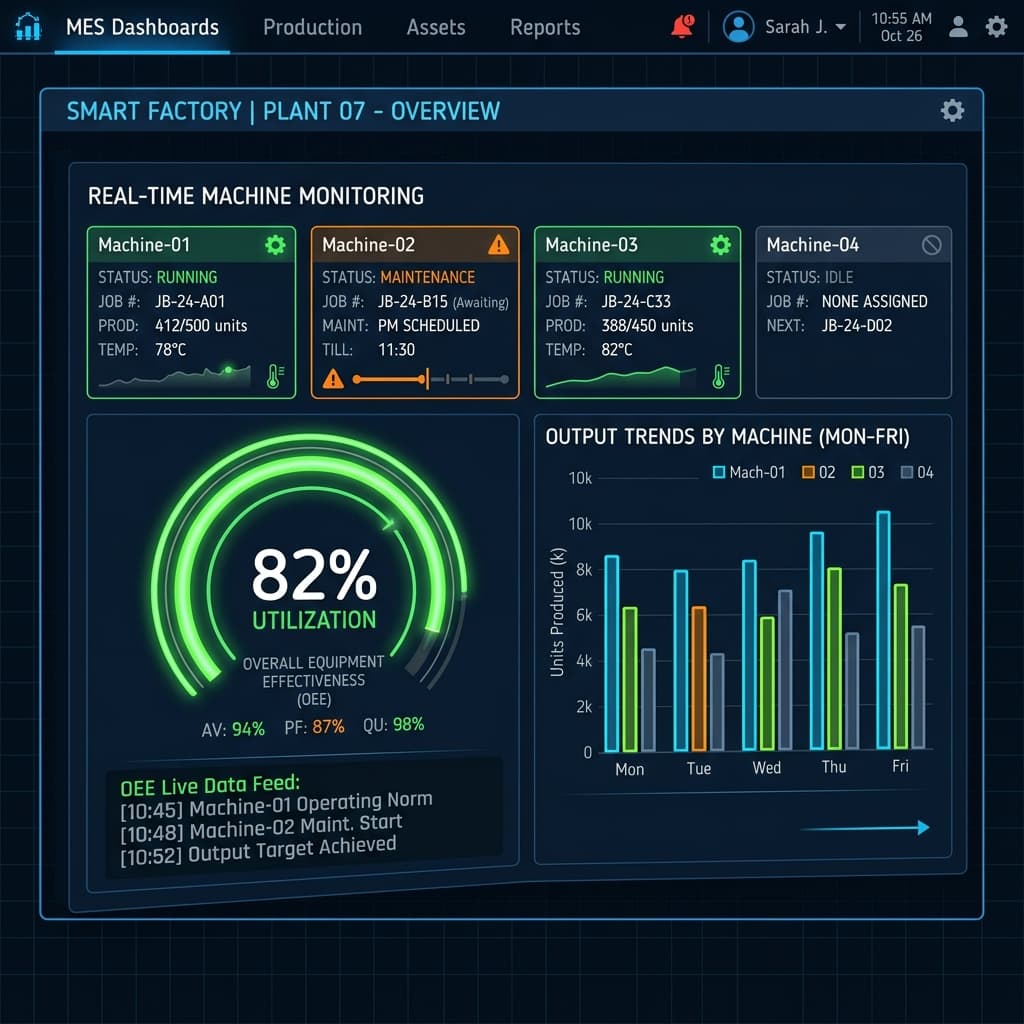
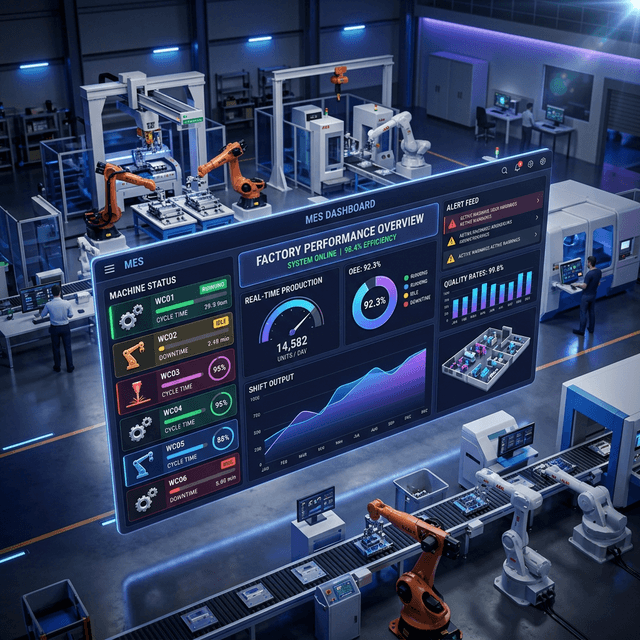
You cannot improve what you cannot see. Real-time production dashboards give managers instant visibility into output rates, machine status, work order progress, and operator performance. With live data, decisions are made faster and problems are addressed before they escalate into costly delays.
02
Digitize Work Order Management
Paper-based work orders are a productivity killer. Digital work order systems track jobs from creation through completion, recording actual output at each stage. Operators receive digital job cards, reducing miscommunication and ensuring every job is completed to specification on time.
03
Reduce Machine Downtime
Every idle machine is a productivity loss. Implementing machine utilization tracking — which records running, idle, breakdown, and maintenance states — reveals where time is being lost. Preventive maintenance schedules based on actual machine usage reduce unexpected breakdowns significantly.
04
Eliminate Production Bottlenecks
Production bottlenecks are stages where throughput is restricted, backing up the entire workflow. Stage-by-stage process tracking identifies where jobs are getting stuck. Targeted interventions — rebalancing workloads, adding capacity at bottleneck stages — improve overall line throughput.
05
Improve Quality at the Source
Defects detected late in the production process require costly rework or result in scrapped parts. Digital quality inspection tracking captures defect data in real time, enabling earlier intervention. Defect rate analytics reveal recurring quality issues, enabling root cause elimination rather than just correction.
06
Track Operator Performance
Individual and team performance data helps identify productivity variations across operators and shifts. High-performing operators can share best practices. Underperformers receive targeted coaching. Shift-to-shift comparison enables continuous operational benchmarking and improvement.
07
Use Production Data for Decisions
The most productive factories make decisions based on data, not gut feel. Production analytics dashboards surface trends in output, downtime, quality, and efficiency. Managers can identify seasonal patterns, capacity constraints, and improvement opportunities that would be invisible without systematic data collection.
How Micraft MES Drives Productivity Improvement
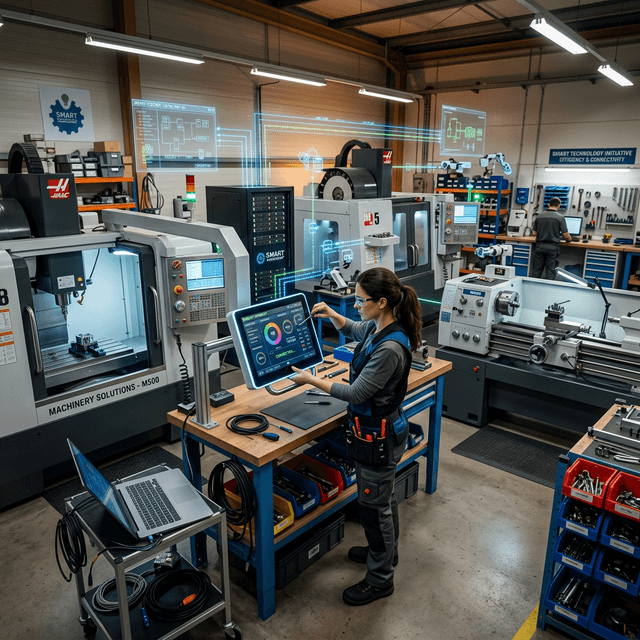
Micraft MES integrates all seven productivity strategies into a single manufacturing platform. Production tracking, machine utilization monitoring, quality inspection recording, operator performance analytics, and real-time dashboards are all connected — giving manufacturing leaders a complete operational picture.
For SMEs that cannot afford complex enterprise systems, Micraft MES provides an accessible, practical path to digitized production operations — delivering tangible productivity gains from day one.