About Us
Micraft MES provides real-time shop floor visibility, machine downtime tracking, and connected production execution for discrete and batch manufacturers.
Get a free quote





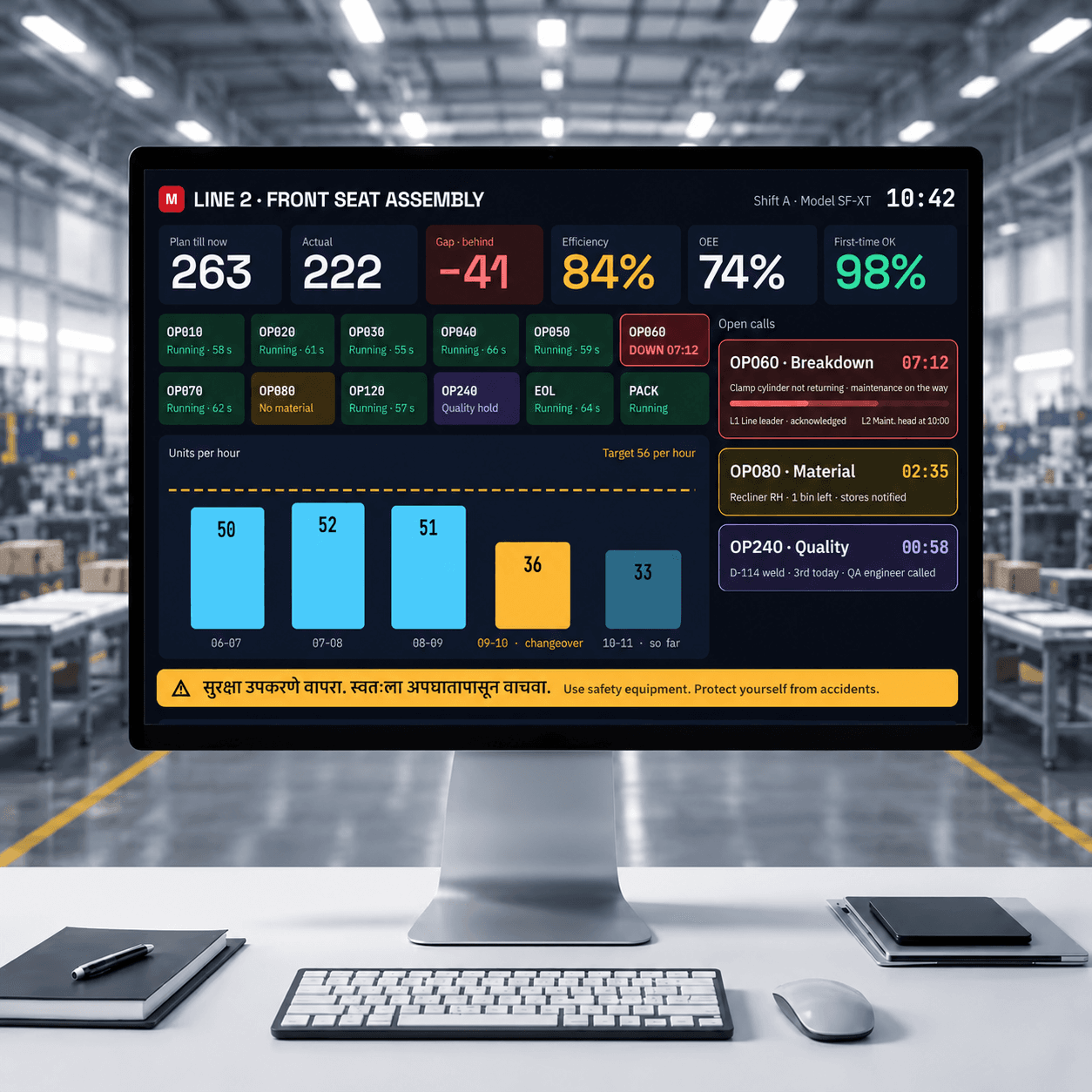
Why Manufacturing Plants Still Lack
Real-Time Shop Floor Visibility
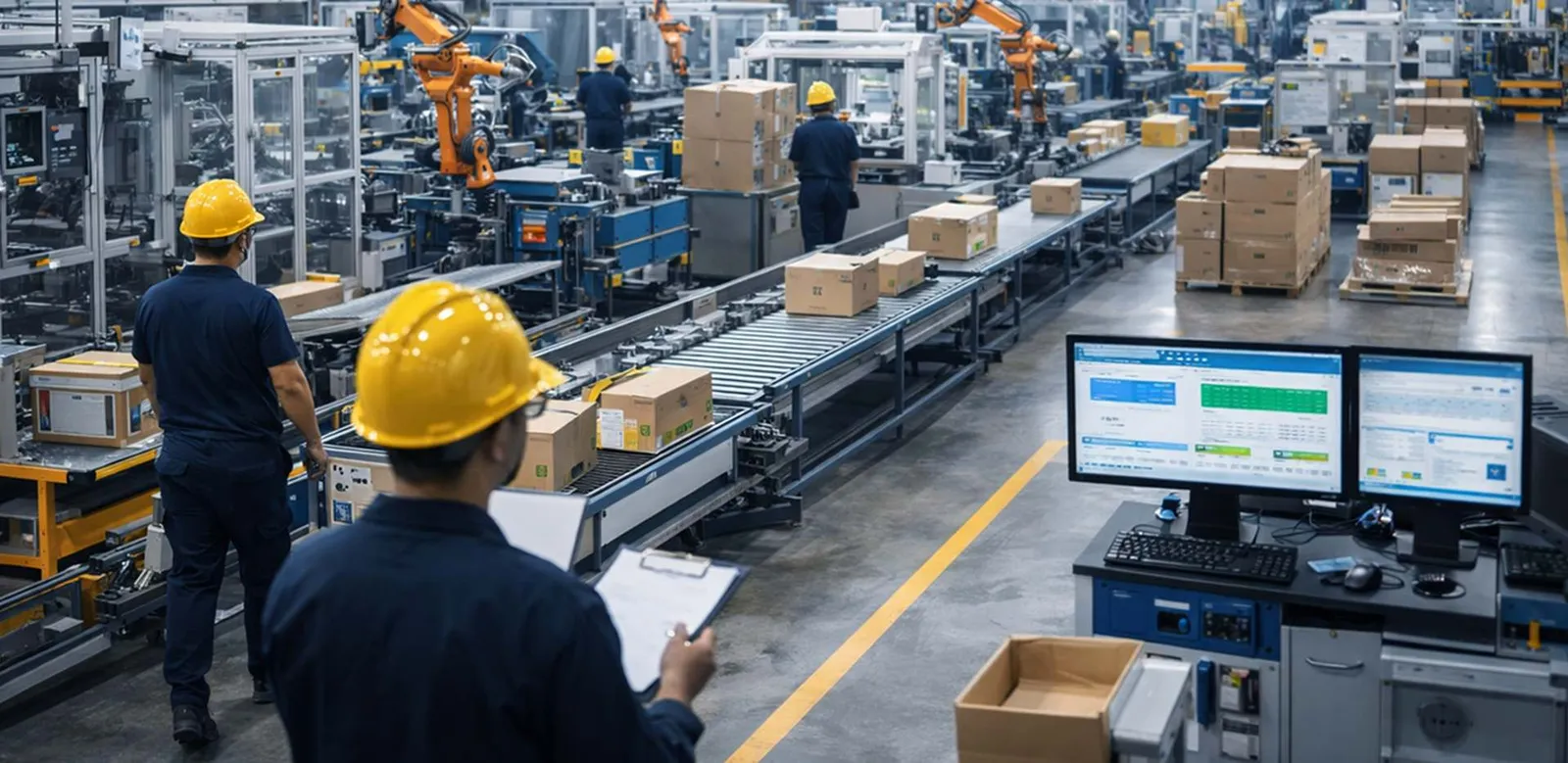
Even with ERP systems, machine automation, and digital reports, many manufacturing plants still struggle to get a clear real-time view of what is happening on the shop floor. Production data may exist in multiple systems, but execution details such as machine status, downtime reasons, work order progress, inspection records, packing status, and dispatch readiness are often fragmented.
As a result, plant teams rely on delayed reports or manual updates to understand production performance. Micraft MES bridges this gap.
Micraft MES connects production records for automotive and discrete manufacturing workflows. Review work orders, part and batch history, inspection results, packing status and dispatch readiness together.
Start with the records and decisions your team needs. Confirm data sources, interfaces and rollout scope during an assessment.

See Real-Time Shop Floor Visibility
in Action
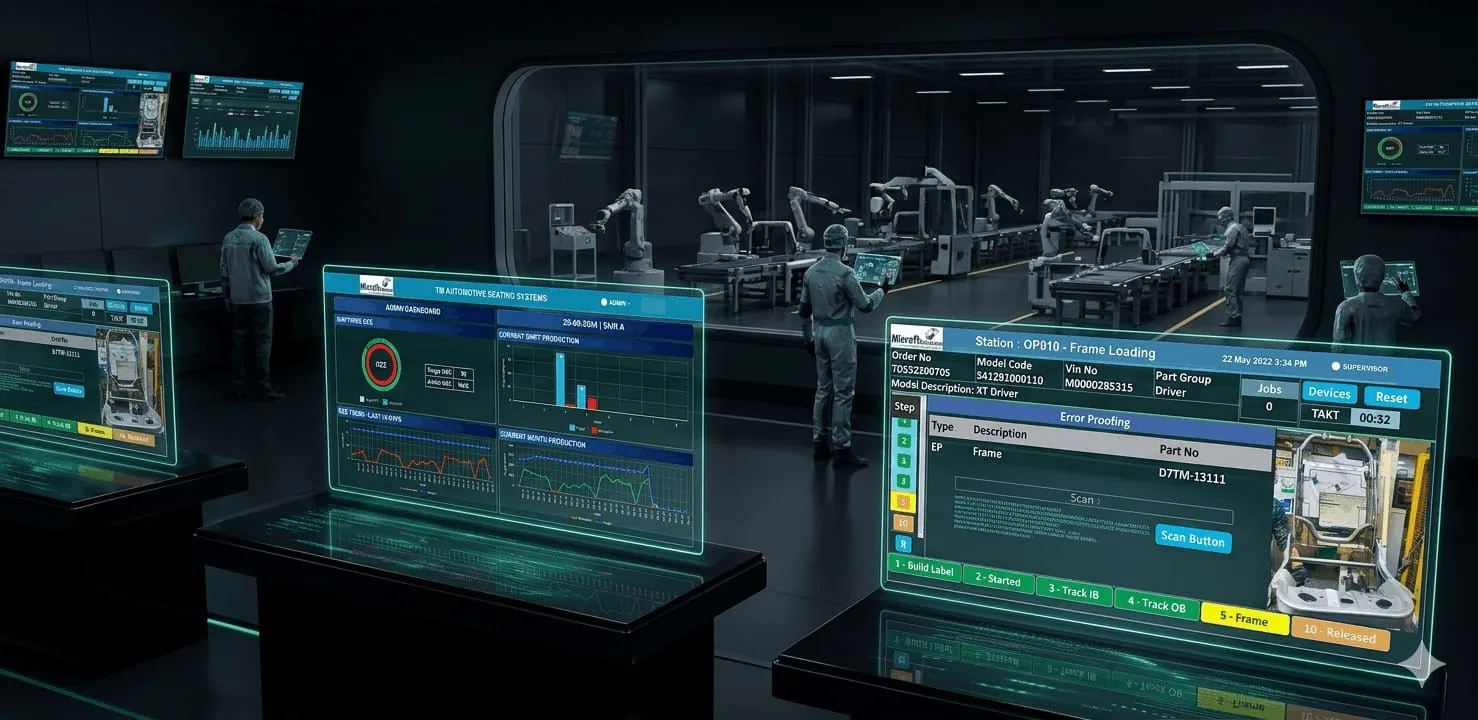
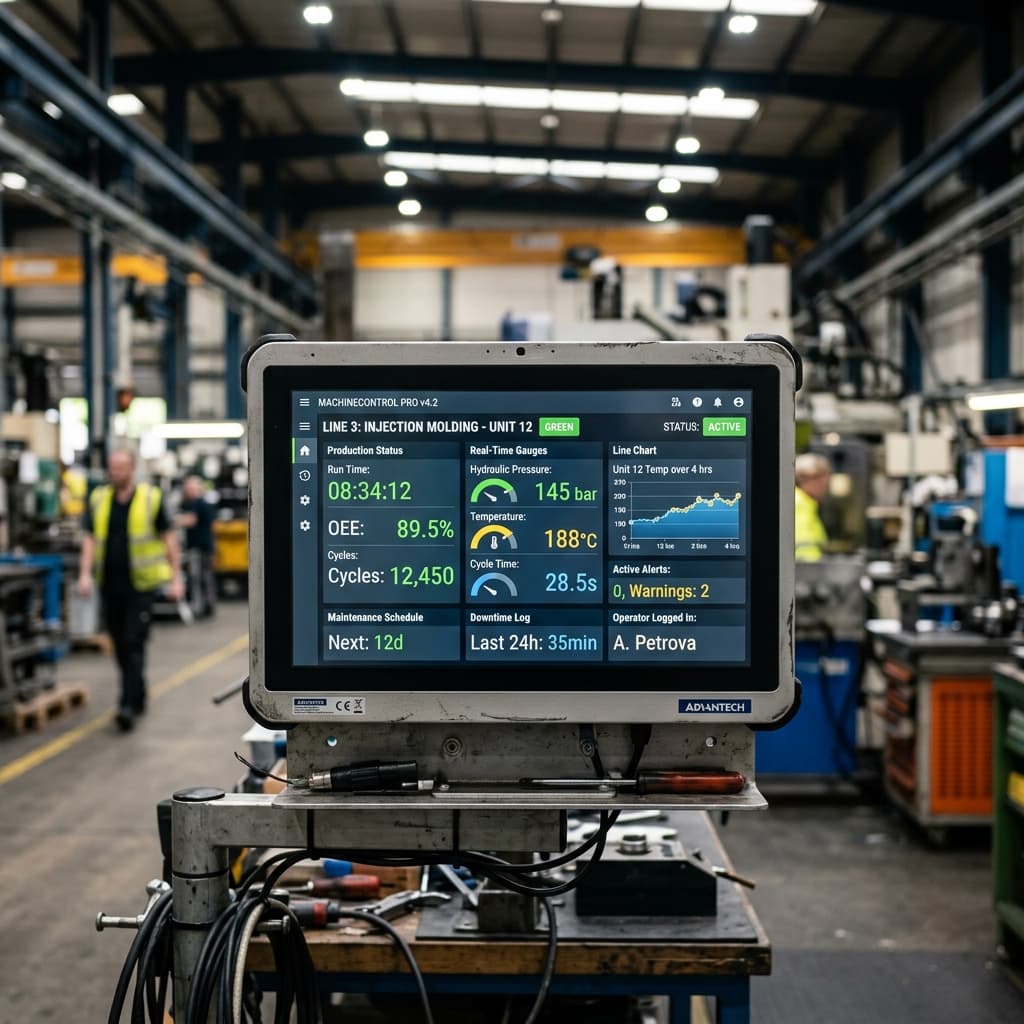
Micraft MES provides a clear operational view of manufacturing activities through live dashboards and production monitoring tools.

Key Capabilities of
Micraft MES
Review production, machine status, quality and dispatch workflows. Link related records with part and batch traceability.
Real-Time Production Monitoring
Track production performance, machine utilization, and shift output using live dashboards.
Manufacturing Downtime Tracking
Capture downtime events directly from operators or machines to identify the root causes of production loss.
Work Order Execution Management
Track planned versus actual production and monitor work order progress throughout the manufacturing process.
Inspection and Quality Management
Record quality checks during production and maintain accurate inspection records for compliance and traceability.
Packing and Dispatch Visibility
Understand which orders are completed, packed, and ready for shipment to improve coordination between production and dispatch.
Manufacturing Reports and Insights
Generate shift-wise, daily, and monthly reports automatically to support operational decision-making.
Transform Your Factory with Real-Time Production Visibility
Discover how Micraft MES helps manufacturing companies digitize shop floor operations and gain complete production visibility.
Schedule a Live Demo
How Micraft MES Improves
Shop Floor Execution
Micraft MES captures operational data directly from the shop floor and converts it into real-time production insights.
Step 1 — Capture Production Data
Operators and machines provide production events, downtime reasons, inspection results, and work order updates directly into the system.
Step 2 — Create Real-Time Operational Visibility
Live dashboards display production performance, machine status, and workflow progress.
Step 3 — Enable Faster Operational Decisions
Plant teams identify issues early and take corrective action before production losses increase.
For Automotive and Discrete Manufacturing Teams
Consider Your Plant Requirements:
A Practical Manufacturing Execution
System Implementation
Traditional MES projects can take months to deploy. Micraft MES follows a focused and practical implementation approach specifically designed for mid-sized manufacturing plants.
Process Assessment
Understand the production workflow and identify where real-time visibility is missing.
System Configuration
Configure the Manufacturing Execution System to match production processes, work orders, and reporting needs.
Deployment and Training
Deploy the system on selected production lines and train teams to capture and use shop-floor data.
Operational Improvements
with Micraft MES
Use recorded production and inspection data to support these operational activities:
Use these records to support day-to-day operational decisions.
Latest Manufacturing
Trends & Expert Blogs




Planning Your MES Assessment
A focused conversation helps your team define the workflows, records, interfaces and rollout scope to review.
01What does Micraft MES help teams review?
Micraft MES is a Manufacturing Execution System that brings together production progress, machine status, inspection records, packing and dispatch information. For automotive and discrete manufacturing, agree which part and batch identifiers must be linked to those records before implementation.
02How long does implementation take?
Implementation timelines depend on the number of lines, interfaces, records and rollout requirements. A requirements assessment establishes the scope and acceptance criteria before a schedule is confirmed. A pilot and wider rollout should each have an agreed review point.
03How are ERP and shop-floor interfaces assessed?
Share your ERP version, devices and required information flows with the technical team. Confirm supported interface methods, data ownership, reconciliation and any development work before including an interface in the implementation scope.
04How are hosting and support arranged?
Agree hosting, access, backup and infrastructure responsibilities during scoping. Support coverage and response commitments are defined in the agreed support plan. The proposal should identify the responsibilities of Micraft, your team and any other delivery partners.
05What should we prepare for a pricing discussion?
Prepare your line or workstation scope, required workflows, interfaces and reporting needs. Review the published monthly software prices and confirm implementation, training, infrastructure and support coverage in the written quotation.