

About Us
Micraft MES provides real-time shop floor visibility, machine downtime tracking, and connected production execution for discrete and batch manufacturers.
Get a free quote
Improving Manufacturing Productivity
The Complete Guide to Improving
Manufacturing Productivity
Discover practical strategies manufacturers use to improve production efficiency, optimize machine utilization, reduce delays, and increase factory output.
Manufacturing productivity is one of the most critical factors determining the success of a factory. Companies that continuously improve production efficiency can reduce costs, increase output, and maintain competitive advantage.
This guide explains how manufacturers can improve productivity using modern manufacturing practices and digital production monitoring systems.
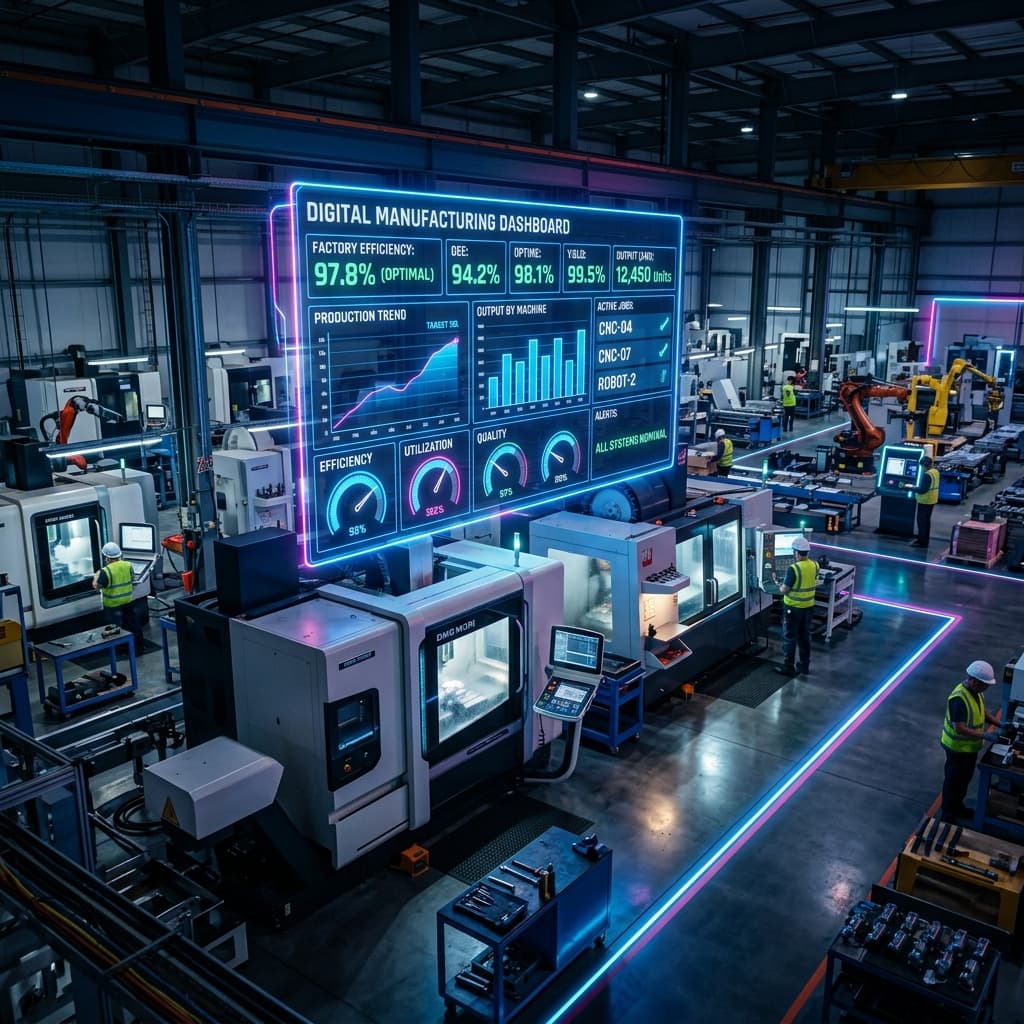
Key Productivity Metrics evaluated:
Improving these metrics leads to better operational efficiency and profitability.
Understanding Manufacturing Productivity
Manufacturing productivity measures how efficiently a factory converts resources into finished products.
Resources may include:
A highly productive factory produces more output with fewer resources and minimal delays.
Why Many Factories Struggle with Productivity
Reliance on manual tracking and generic legacy systems creates a cascade of operational issues. These are the top five roadblocks preventing manufacturing scale.
Diagnostic Alert
Unmonitored floors lose an average of 20% production time to invisible, uncontrolled inefficiencies.
Lack of Production Visibility
Managers cannot see real-time shop floor activity, delaying critical operational decisions.
Poor Machine Utilization
Machines remain idle due to inefficient scheduling, maintenance delays, or material shortages.
Production Bottlenecks
Certain production stages slow down the entire workflow, choking downstream output.
Manual Production Tracking
Data is collected on paper registers and reported hours late, creating a massive data lag.
Quality Issues and Rejections
Undetected defects increase rework, scrap rates, and directly reduce overall order efficiency.
Proven Strategies to Improve Factory Productivity
Improve Production Visibility
Real-time monitoring helps managers detect delays instantly.
Optimize Machine Utilization
Tracking machine activity helps identify idle equipment and improve scheduling.
Reduce Production Bottlenecks
Analyze production workflows to identify slow stages.
Digitize Production Tracking
Replace manual production registers with digital systems.
Improve Quality Control
Early defect detection prevents rework and production delays.
Use Production Data for Decision Making
Data-driven decisions improve operational planning.

How Real-Time Production Monitoring Improves Productivity
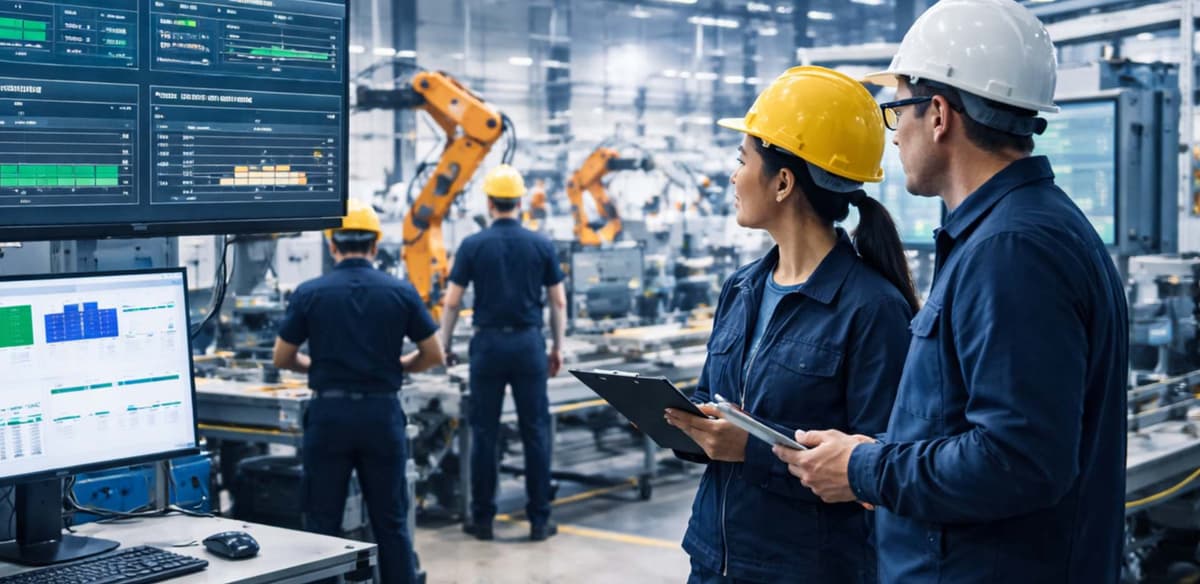
Real-time monitoring systems enable managers to track production activities instantly. They provide visibility into:
This allows factories to identify issues immediately and take corrective actions.
Utilization
85%
Machine Utilization and Productivity
Machine productivity plays a critical role in manufacturing efficiency.
Low machine utilization often indicates:
- Poor scheduling
- Unplanned downtime
- Inefficient workflows
Tracking machine utilization helps factories optimize equipment productivity.
View Machine Tracking SoftwareHow Digital Manufacturing Improves Productivity
Modern digital manufacturing systems provide factories with core capabilities to continuously improve operational efficiency.
Real-Time Production Visibility
Gain instant clarity on factory operations.
Automated Production Reporting
Eliminate manual data entries and errors.
Machine Performance Monitoring
Ensure maximum equipment output.
Quality Inspection Tracking
Digital checkpoints integrated into workflows.
Production Analytics Dashboards
Data driven insights for management.
Industries Actively Improving Manufacturing Productivity
Factories in these industries rely heavily on production monitoring systems to improve efficiency.
Micraft MES for Manufacturing Productivity Improvement
Micraft MES enables manufacturing companies to monitor production operations and optimize factory performance at an enterprise level.
Production Tracking Software
Machine Utilization Monitoring
Real-Time Production Dashboards
Manufacturing Process Tracking
Quality Inspection Monitoring
Gain The Edge
By providing real-time production insights, Micraft MES helps manufacturers directly improve operational efficiency and productivity securely and seamlessly.
Transform Productivity TodayImportant Manufacturing Productivity Metrics
Manufacturers should monitor these key performance indicators to measure and improve productivity.
Production Output
Quantity of products produced per shift or day.
Machine Utilization
Percentage of time machines are actively producing.
Production Cycle Time
Time required to complete production processes.
Defect Rate
Percentage of products rejected during inspection.
On-Time Delivery
Ability to deliver products within scheduled timelines.
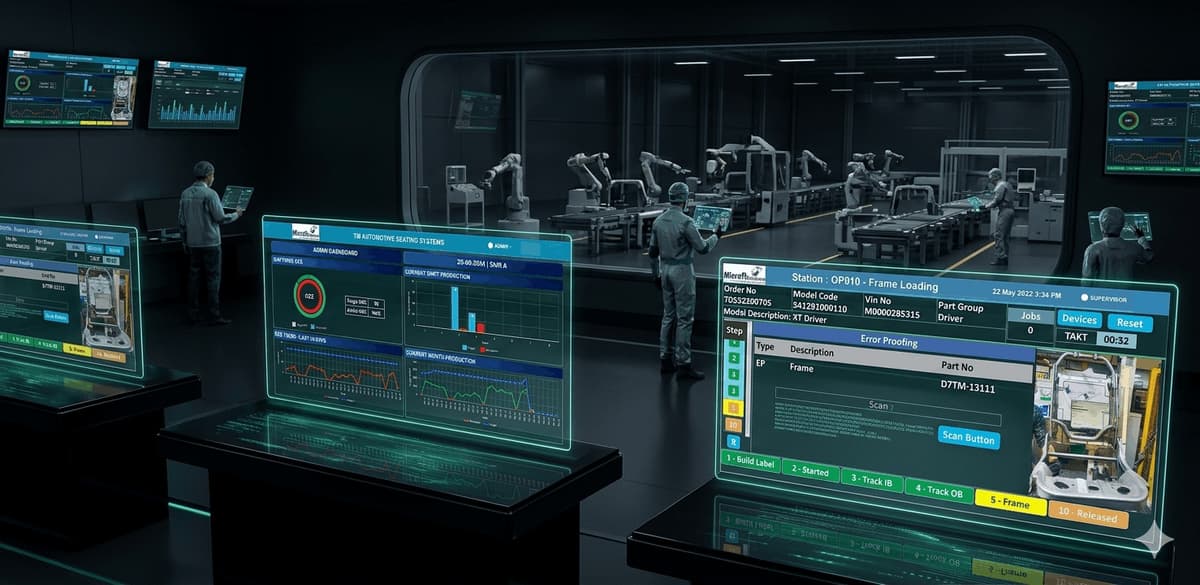
Connected Factories
Data streams bridging operations with digital intelligence.
The Future of Productivity in Manufacturing
Manufacturing productivity will increasingly rely on Next-Gen technologies:
Real-Time Production Monitoring
Digital Manufacturing Systems
Automated Production Analytics
Connected Factory Technologies
Factories adopting digital production monitoring systems will gain a significant competitive advantage.


Trusted by Advanced Manufacturers