About Us
Micraft MES provides real-time shop floor visibility, machine downtime tracking, and connected production execution for discrete and batch manufacturers.
Get a free quote
MES Implementation Process
Micraft MES
Implementation Process
Start with your manufacturing workflow, required records and acceptance criteria. Agree responsibilities before configuring and rolling out the system.
Micraft MES implementation follows a structured approach designed specifically for manufacturing companies. Prepare your scope, data and pilot acceptance criteria with our MES implementation readiness checklist, then discuss the rollout with our team. Agree who provides process definitions, identifiers and test records, who owns each interface, and who signs off validation and operational handover.
Process Assessment
Mapping manufacturing operations and production workflow mapping.
System Configuration
Configuring production tracking processes and dashboards.
Pilot Validation
Enabling shop floor teams with data collection interfaces.
Training and Ownership
Simplifying adoption for operators and digital shop floor monitoring.
Acceptance and Rollout
Transition from manual tracking to real-time digital monitoring.
Simple and Practical
MES Implementation
Micraft MES is designed to be implemented in manufacturing environments without complex infrastructure or long deployment cycles. The implementation process ensures manufacturers can begin digitizing production operations quickly.
Flow Assessment
Understanding existing manufacturing workflows and workstations.
Configuration
Configuring production order workflows and dashboards.
Data Collection
Enabling shop floor operator data collection processes.
Real-time Dashboards
Deploying real-time monitoring and production dashboards.
Execution Strategy Lifecycle
Process Assessment
Review workflows, identifiers, stations and inspection checkpoints. Agree the first-line scope, data owners and acceptance criteria.
Continuous Improvement
After Implementation
After deployment, manufacturers can continuously improve operations using MES insights. Micraft MES helps factories continuously improve operational efficiency through digital visibility.
Micraft MES helps companies:
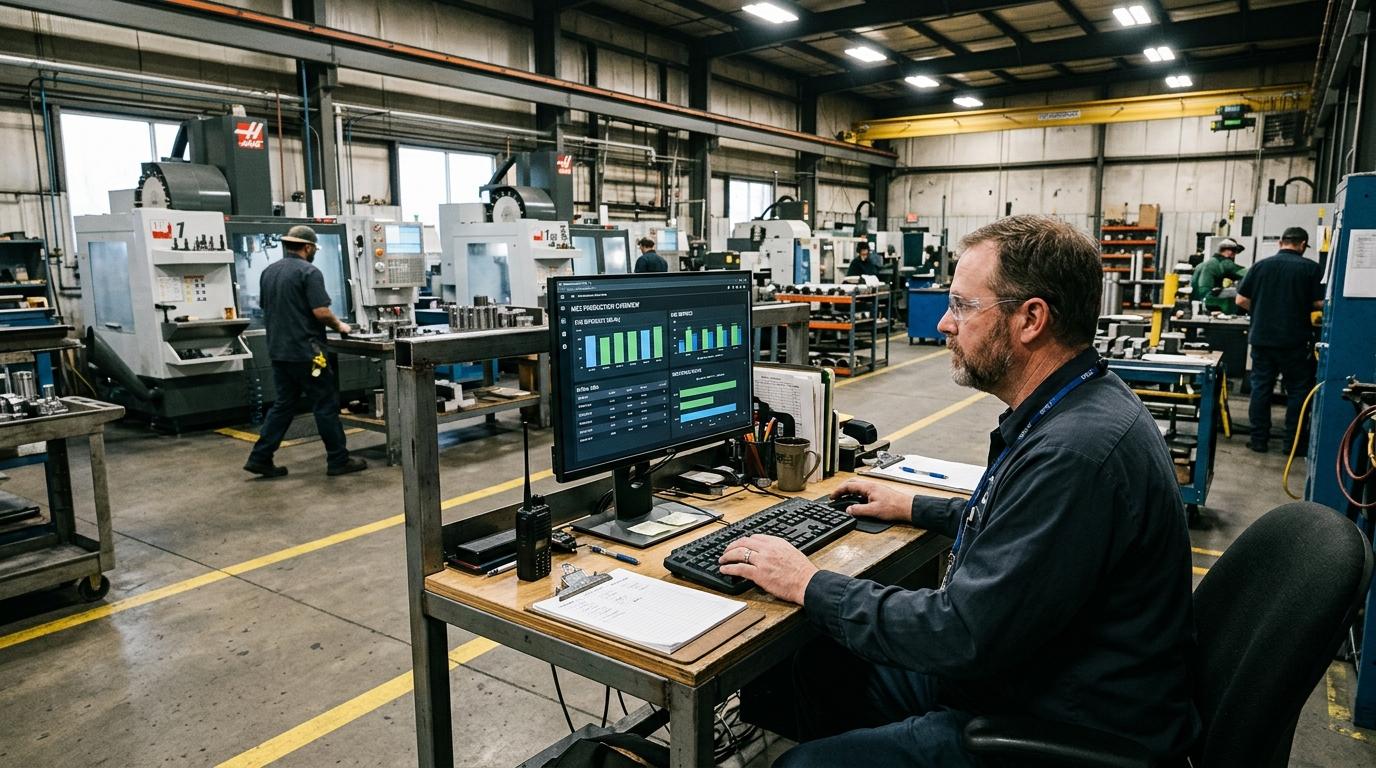
Live Supervisor KPI Monitoring
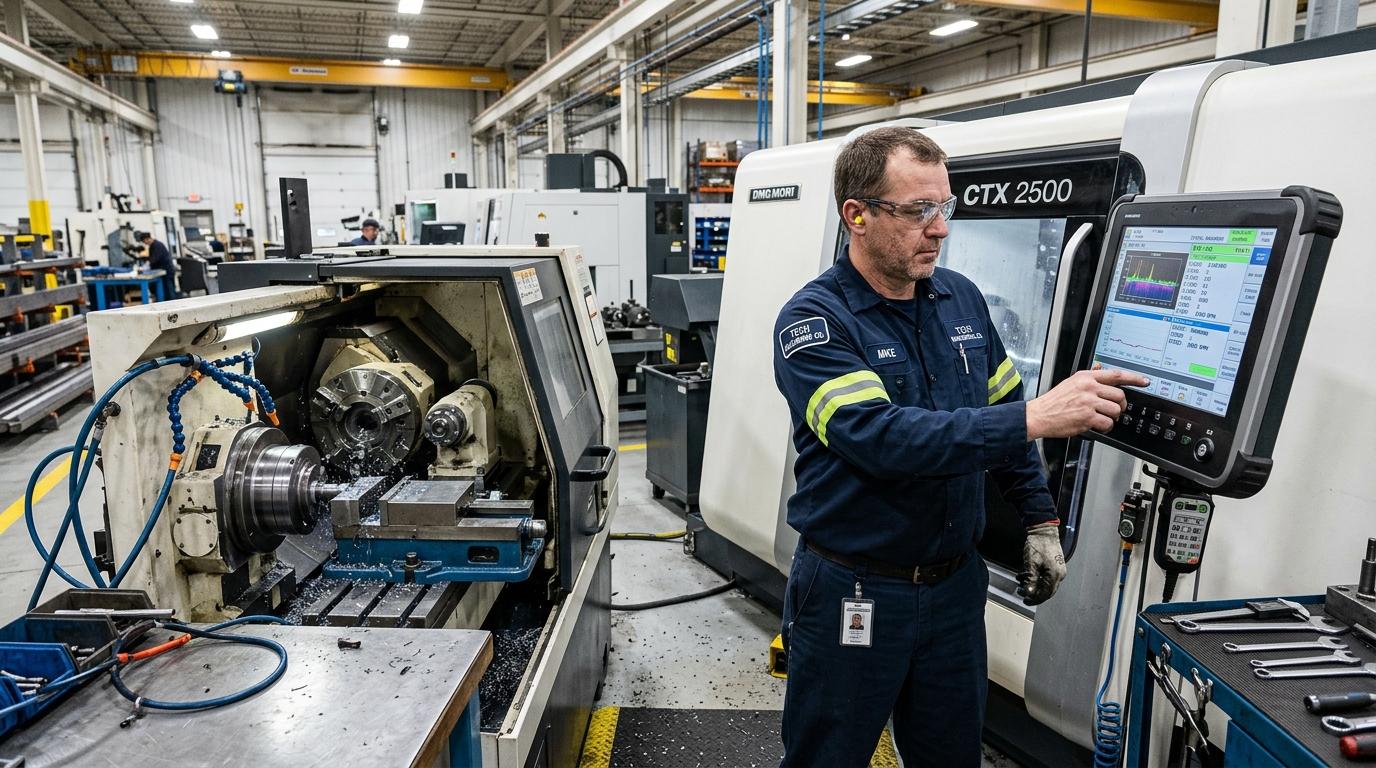
Digital CNC Workstation Terminal
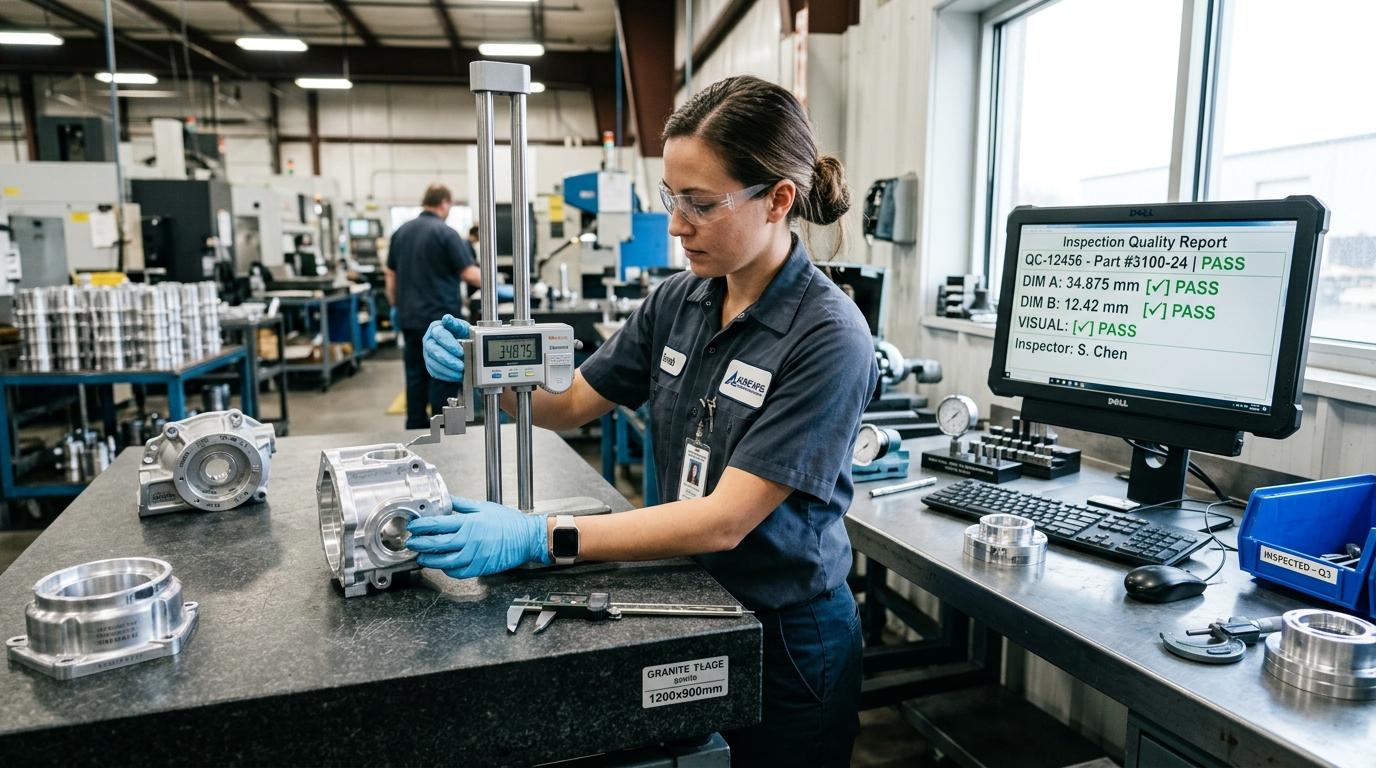
Precision Quality Inspection Gate
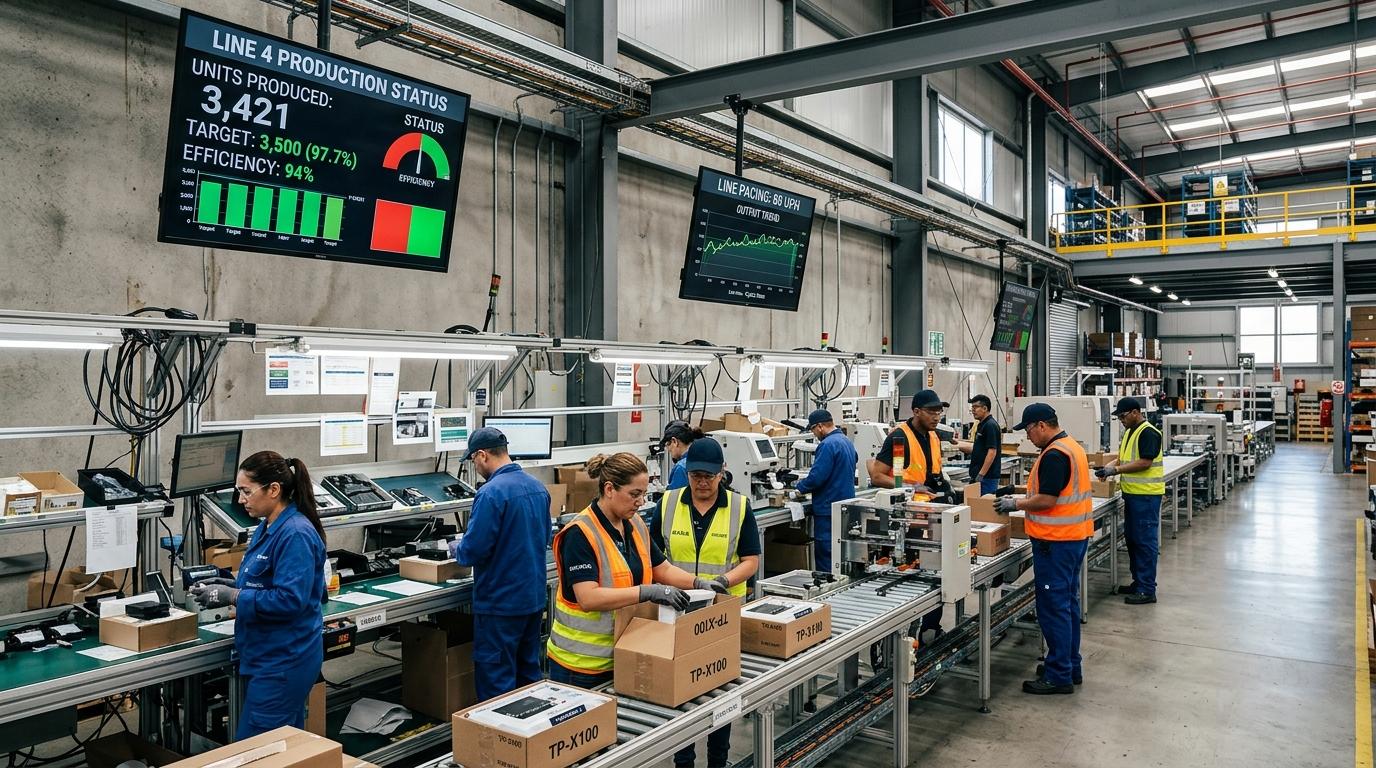
Real-Time Assembly Line & Andon Tracking
Implementation Timeline
Advantages of Micraft MES Implementation
Unlike traditional enterprise MES systems, Micraft focuses on practical manufacturing workflows and fast deployment cycles.